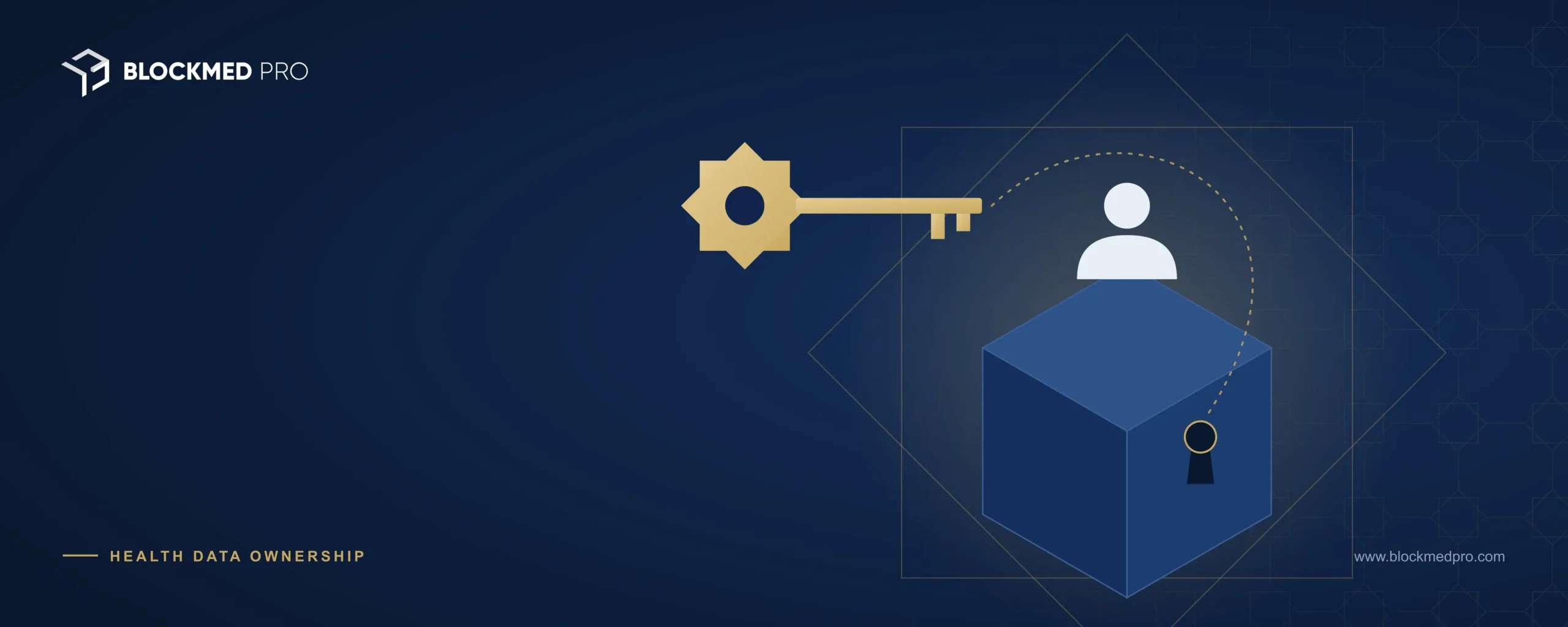
I have spent most of my career on the clinical side of the NHS, and one question follows me into almost every consultation: who actually controls the record in front of me? Not who typed it, and not who stores it, but who decides where it goes next.
For many patients, the honest answer is that they do not know. That gap between how personal health information feels and how difficult it can be to understand its use is one of the reasons I believe patient choice needs to sit much closer to the centre of health data governance.
Who Really Controls Your Health Data?
Health data in this country is held in good faith by trusted institutions, and the people working with it are, in my experience, careful and well intentioned. The problem is not simply about bad actors. It is about whether the structure gives patients enough visibility and agency.
Information about your body, diagnoses and treatment can move between systems under policies and governance arrangements that most people will never read in full. That does not automatically mean the use is inappropriate, but it can make the process difficult for patients to understand.
Consent, where it is the appropriate basis for a particular use, should be clear enough for people to understand what they are agreeing to and flexible enough to reflect a change of mind.
What Consent by Default Means
Consent by default starts from the principle that patients should have a clear and meaningful choice wherever consent is the appropriate basis for using their health data.
It treats consent as something that can evolve over time rather than a one-off signature or tick box. People should be able to understand the purpose of a request, the scope of the permission and, where relevant, how to update or withdraw that permission.
That is a higher standard than simply asking what is technically permitted. In healthcare, trust is also shaped by whether people believe the way their information is used is understandable and fair.
Does Greater Patient Consent Hold Back Research?
There is a common concern that more granular choice could reduce participation in research or make access to useful data more difficult.
That concern deserves a serious answer. Research and service improvement depend on appropriate access to high-quality data, but public trust also matters. Clear explanations, transparent safeguards and genuine choice can help strengthen willingness to participate.
The aim should not be to make responsible research harder. It should be to create a model in which patients understand why their information is being requested and what protections are in place.
Why Compliance Is Only the Starting Point
The NHS is moving towards higher assurance standards, and at BlockMed Pro we are already DTAC assured, Cyber Essentials Plus certified and working towards ISO 27001. These frameworks are important because they require organisations to demonstrate that safeguards are more than aspirational.
But compliance is a floor, not a ceiling. A platform can meet technical requirements and still leave patients feeling like passengers in the process.
The harder work is designing systems where patients have clearer visibility into how their information is used and can exercise meaningful control where appropriate. You can read more about our approach on the BlockMed Pro compliance page and in What is BlockMed Pro.
Making Patient Control Practical
I will not pretend the technology is simple, and I am deliberately not going to walk through the mechanics here. What matters for this argument is the principle, not the plumbing.
We believe patients should sit at the centre of decisions about how information describing their lives is accessed and used. That means making permissions, purpose and control easier to understand in practice rather than treating patient ownership as a slogan.
Our work on the One True Record is an attempt to make that principle practical rather than rhetorical.
Why Trust Matters for the Future of Health Data
If we get this right, the benefit is bigger than privacy alone.
Greater trust may support participation and responsible data sharing, which in turn can contribute to stronger research and innovation. It can also help patients feel more confident about the systems that increasingly shape digital healthcare.
Consent by default is sometimes painted as a brake on progress. I see it differently. Thoughtful consent and transparent governance can provide a stronger foundation for innovation because they help build the confidence that responsible data use depends on.
Get the ethics right and the science has a stronger foundation. That is the order I believe in, and it is the order I want the next decade of health data to be built on.