I have spent my clinical career inside the NHS, and one lesson has followed me from the consulting room to the boardroom. Trust is not granted by default. It is earned slowly, and it can be lost quickly.
Health data sits at the centre of that trust. Every consultation, prescription and referral generates information that is deeply personal. Used responsibly, health data can support care, research and service improvement. Used without enough transparency or appropriate safeguards, it can damage confidence in the systems people rely on.
That is why I want to talk about consent. Not consent as a legal formality or a box to tick, but as one important part of building a health data system that people can understand and trust.
What the NHS Gets Right About Patient Data
The NHS already operates within established data governance and confidentiality frameworks. The Caldicott Principles provide a clear framework for the appropriate use and sharing of confidential information, while emphasising necessity, proportionality, accountability and the importance of informing patients about how their information is used.
In England, the national data opt-out also gives people a way to opt out of certain uses of confidential patient information for research and planning.
For digital health suppliers, frameworks such as the Digital Technology Assessment Criteria (DTAC) provide a structured way to assess areas including clinical safety, data protection, technical security, interoperability, usability and accessibility.
These safeguards matter. Any organisation working with health data should treat compliance as a baseline for responsible practice, not the end of the conversation.
Where the Current Model Can Feel Unclear to Patients
The challenge is that many patients still have limited visibility into how information moves beyond the consultation room. Policies and governance processes may be robust, but they are not always easy for the individual patient to see or understand.
Consent can also be misunderstood as a single event. In reality, different uses of health information may rely on different legal and governance arrangements, and consent is not the lawful basis for every use of patient data.
Where consent is the appropriate basis, it should be meaningful: people should understand what they are agreeing to, why their information is being requested and what choices are available to them.
That is a much stronger model than treating consent as something captured once and never revisited.
Why Meaningful Consent Does Not Have to Work Against Research
There is an understandable concern that more granular patient choice could make research and data-driven improvement harder.
But the goal should not be to place unnecessary barriers in front of responsible research. It should be to make participation clearer, more transparent and easier to trust.
When people understand the purpose of a request, the safeguards around it and the choices available to them, they are in a better position to make an informed decision about participation.
Trust and research do not need to be competing goals. A sustainable data ecosystem needs both.
What Comes Next for NHS Patient Data Consent
I believe the next phase of health data governance will increasingly focus on three things:
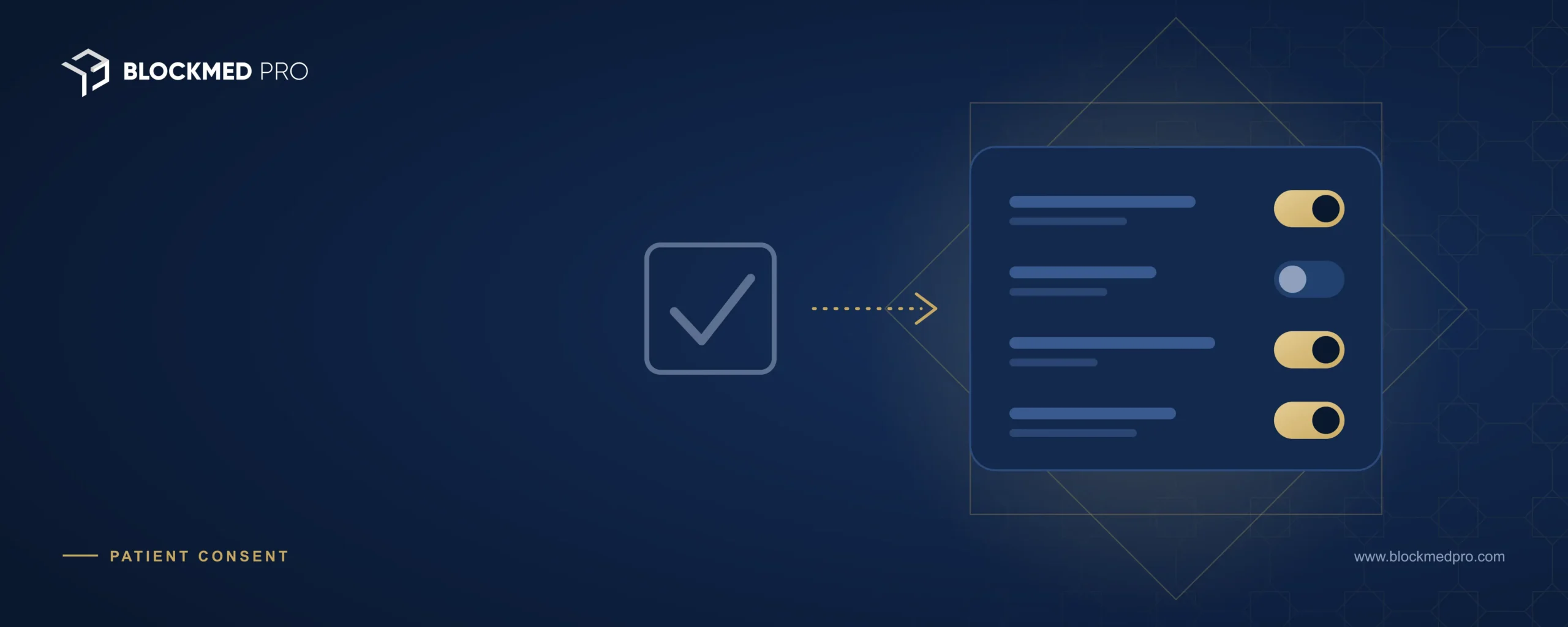
More dynamic permissions. Where consent is appropriate, patients should be able to understand what they have agreed to and, where relevant, update or withdraw that permission over time. Technology can help make those decisions easier to record and audit.
Greater patient participation. Patients should have clearer visibility into how their information contributes to research, planning and innovation, rather than feeling like passive subjects in a process they cannot see.
More demonstrable accountability. Organisations should be able to show how information has been accessed and governed through clear records and audit trails, rather than relying only on assurances.
Why We Built BlockMed Pro Around Patient Control
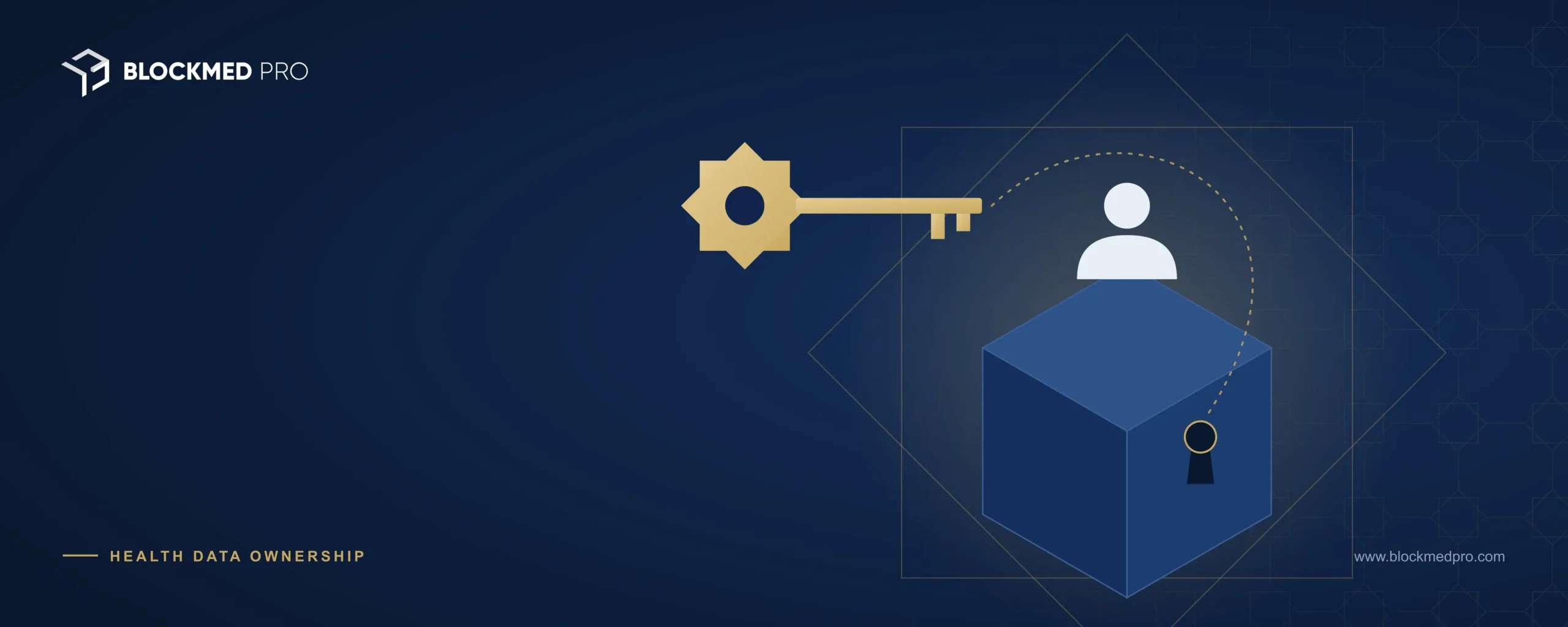
At BlockMed Pro, our approach is built around a single, patient-held record and clearer permissions around access and use.
The aim is to make patient control practical rather than rhetorical: clearer visibility, clearer permissions and a stronger record of how data is accessed.
We designed the platform with NHS-facing assurance requirements in mind. Our client-supplied compliance position includes DTAC assurance and Cyber Essentials Plus certification.
You can read more about our compliance commitments and the values we build on.
Consent Is About Trust, Not Just Compliance
The NHS taught me that trust is part of clinical infrastructure. In the data age, meaningful consent, transparency and accountability are important ways of protecting that trust.
Getting this right is not simply about satisfying a compliance checklist. It is about designing health data systems that people can understand, question and have confidence in.
Consent is not the answer to every data-governance question, but where consent is appropriate, it should mean more than a tick box.