Twice in the last decade or so, national efforts to unlock more of the research and planning value held in GP records have faced significant public concern. Care.data was paused and later abandoned, while the General Practice Data for Planning and Research programme also encountered resistance around how information would be used and how much control patients would retain.
As a practising NHS doctor, I saw the questions behind that concern from the consulting room. Patients were not necessarily opposed to research. They wanted to understand what information might leave the practice, who could see it, what it could be used for, and whether they could say yes to one use without saying yes to everything.
That is the lesson worth carrying forward. The debate around secondary use of health data is not only about access. It is about whether people can understand the choices in front of them and trust the way those choices are applied.
Why Secondary Use of Health Data Needs Clearer Patient Choice
Secondary use of health data can support research, planning and service improvement, but public confidence depends on how that use is explained and governed.
Broad, all-or-nothing choices can make people feel that the safest option is to withhold everything. A more transparent model would give patients clearer information about purpose, scope and safeguards, while recognising that different uses of health data may rely on different legal and governance arrangements.
Where consent is the appropriate basis, it should be meaningful enough for people to understand what they are agreeing to and specific enough to reflect different preferences.
Granular Consent as a More Practical Model
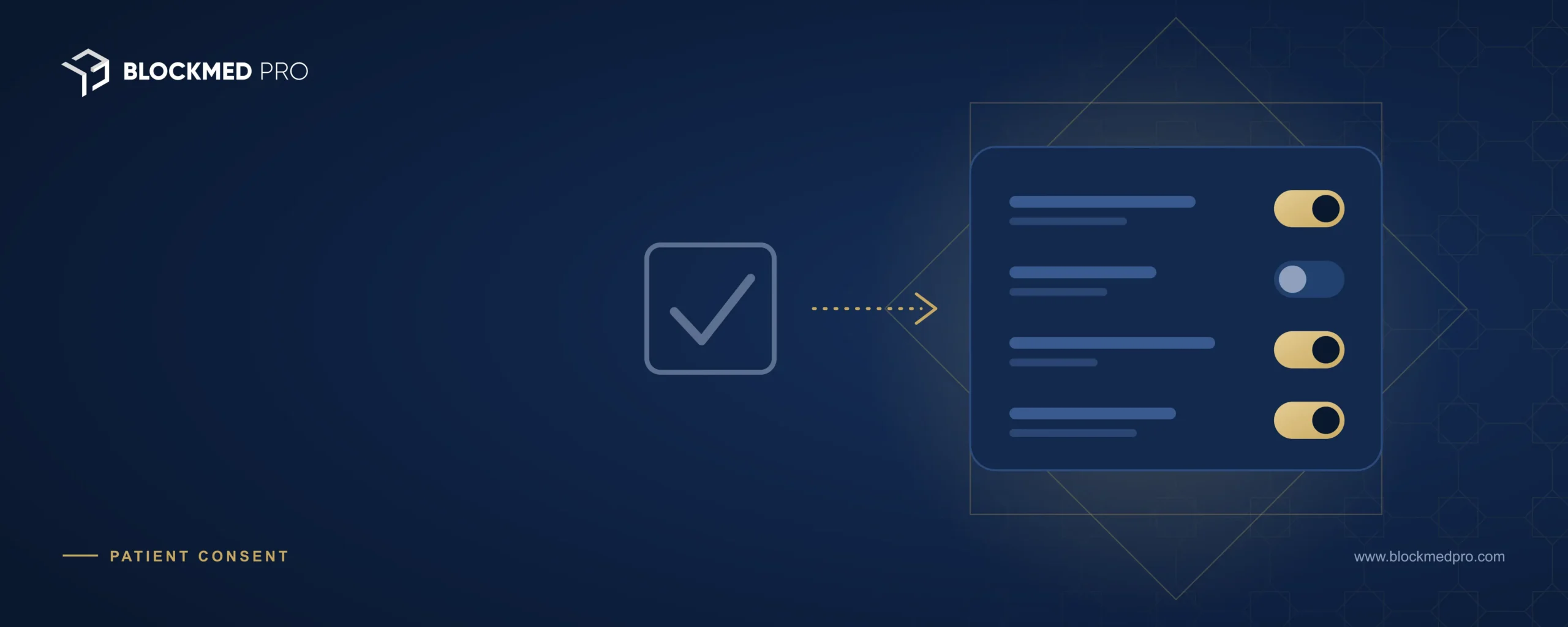
Granular consent offers one way to move beyond a single blunt choice.
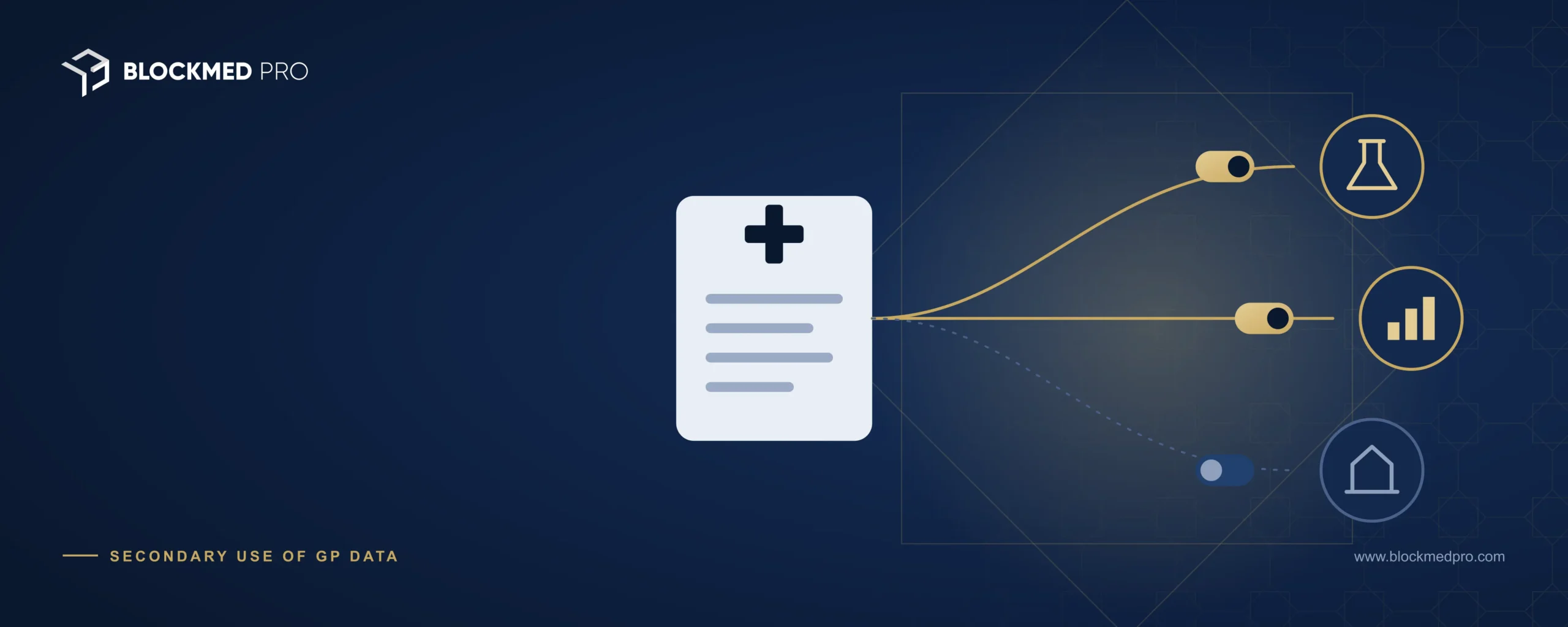
A patient may feel comfortable with their information supporting one type of research while preferring not to take part in another use. Where the legal and governance framework allows consent to operate in that way, digital systems can make those choices easier to record, review and audit.
The aim should be to make permissions clearer, revocable where appropriate and visible enough that patients are not left wondering what they agreed to.
How BlockMed Pro Approaches Patient Control
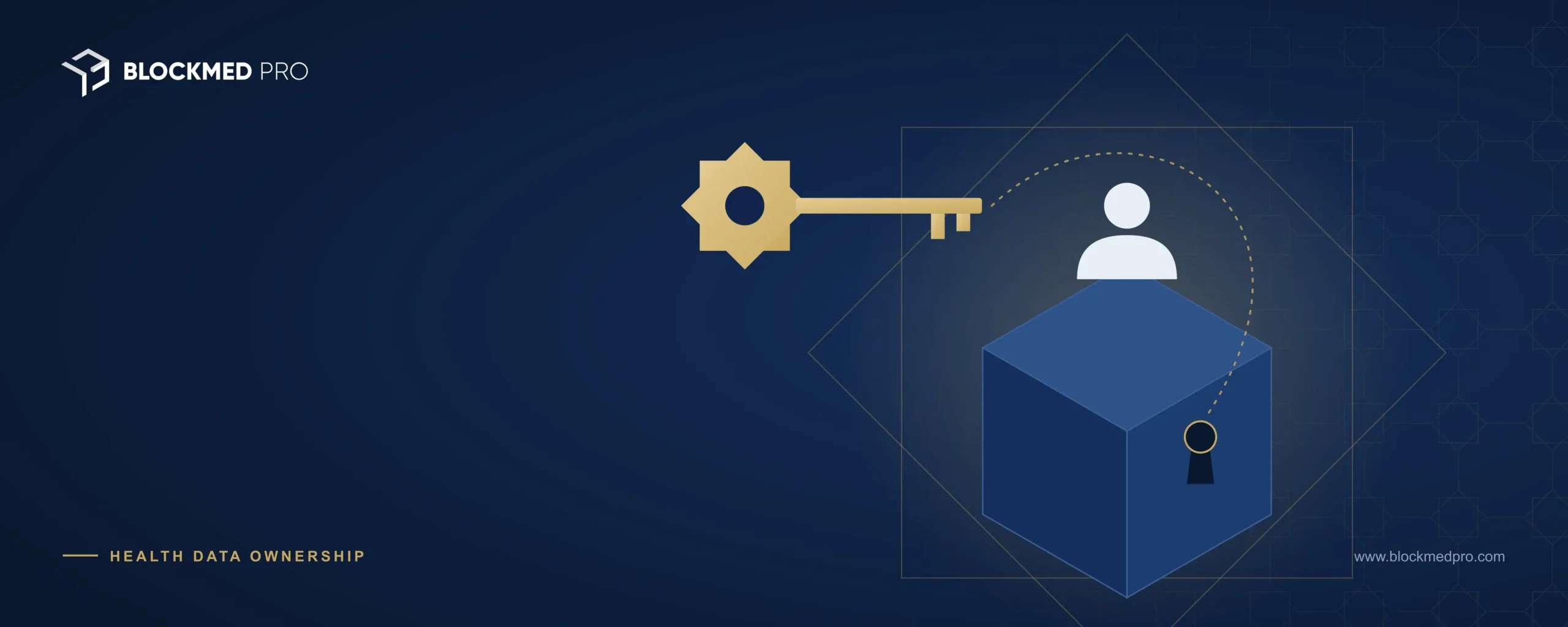
This is the problem we set out to address at BlockMed Pro. Our approach starts with a patient-held record and clearer visibility around permissions and access.
The principle is simple: patients should be more closely involved in decisions about how their information is used, while organisations should be able to demonstrate how access decisions are governed.
For research and data collaboration, our consent-driven Marketplace is designed around clearer participation, permissions and provenance rather than treating consent as an afterthought.
Does More Patient Control Mean Less Data for Research?
A common concern is that more granular control could reduce the amount of data available for research.
I see the risk differently. When people do not understand how their information may be used, they may choose the broadest available opt-out simply because it feels safer.
A more transparent system gives patients a better chance to make a specific decision rather than an all-or-nothing one. Trust should not be treated as a constraint on responsible secondary use of health data; it is one of the conditions that makes sustainable participation possible.
Why Assurance and Accountability Matter
There is also a policy and assurance dimension. Systems handling sensitive health information should be able to demonstrate that appropriate safeguards are in place before data is accessed or moved.
BlockMed Pro’s client-supplied compliance position includes DTAC assurance and Cyber Essentials Plus certification, with work towards ISO 27001. Those assurance frameworks matter because organisations should be able to evidence their safeguards rather than simply describe them.
Patients and partners can also read more about our compliance standards.
What Getting Consent Right Could Look Like
The opportunity around GP data is significant, but any future model needs to bring patients into the process rather than designing around them.
A stronger approach would allow people to understand which types of research or planning their information has supported, see the permissions attached to those uses and, where applicable, update their choices without unnecessary friction.
That is what getting consent right looks like to me. It is not simply a legal formality to be engineered around. It is part of the product, the governance and the trust relationship itself.